
How to Set Up a Simple Deer Camp on Your Own Minnesota Land
Fall moves fast in central Minnesota. Archery deer season opened on September 19, the youth and early antlerless hunts run October 15–18, and the firearms opener is Saturday, November 7, 2026, according to the Minnesota DNR. For a lot of families, that weekend is the biggest outdoor tradition of the year, and it's even better when you have your own piece of woods to call camp.
We sell a lot of small, wooded parcels around Cushing and Randall in Morrison County, and one of the most common plans we hear from buyers is simple: "We want a place to park the camper and set up deer camp." Here's how we'd go about it, from picking the spot to the gear list we'd pack.
Pick the Right Spot on Your Land
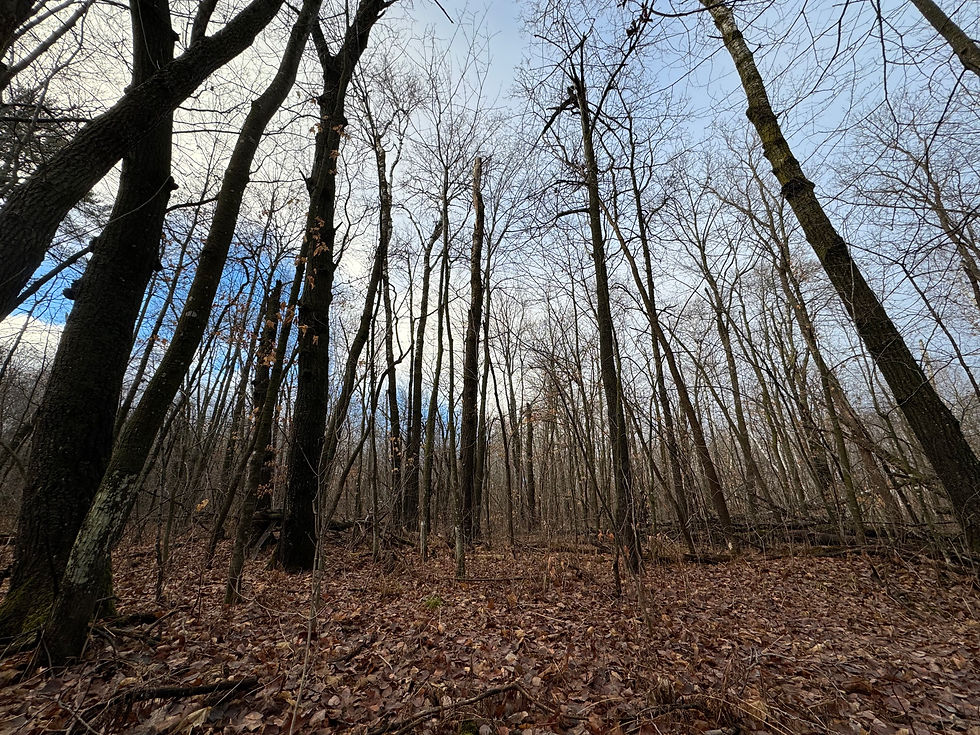
Walk your parcel before you haul anything in. Late fall is a great time to do it, because the leaves are down and you can see the lay of the land.
Go for high, dry ground. Low spots near a marsh edge collect cold air and stay soggy after rain or early snow. Save those areas for watching deer, not sleeping.
Use the trees as a windbreak. A row of oaks or pines on the north or west side of camp takes a lot of bite out of a November wind.
Look up. Check for dead branches and leaning trees over the spot where your tent or camper will sit, and clear them before the season.
Leave room to turn around. Make sure you can pull in, park and get back out with a truck and trailer, even if the ground freezes and thaws.
If you hunt nearby, keep camp, parking and your fire ring a good distance from where you expect deer to move, so that noise and smoke don't push them out.

Choose Your Shelter: Camper, Wall Tent or Small Shed
There's no wrong answer here, just trade-offs.
A camper or small travel trailer is the easiest way to stay warm and dry. It's quick to set up, it locks, and many have a built-in furnace.
A canvas wall tent with a small wood stove is the classic deer camp. It takes more work to pitch, but it breathes well and stays cozy once the stove is going.
A small shed or bunkhouse gives you a permanent base you can leave year-round. Rules vary by county and township, so check locally before you build or set up anything long-term.
Whatever you choose, bring a tarp or two. A simple tarp shelter over the picnic table or fire ring gives the whole crew a dry place to gather when it rains.

Stay Warm Without Taking Chances
Heat is where deer camp can turn dangerous. Every fall, Minnesota utilities and safety officials remind hunters about carbon monoxide, which you can't see or smell. Minnesota Energy Resources suggests three simple habits for hunting cabins, and they apply just as much to campers and tents:
Put a working carbon monoxide detector in every place people sleep, and test it when you arrive.
Check vents, flues and chimneys for nests and debris before you light anything.
Never run a generator indoors, and that includes inside a tent, camper or shed.
Know the warning signs, too: headache, dizziness, nausea and flu-like feelings. If anyone has them, get everyone into fresh air and call 911.
Beyond safety, layering is your friend. A good sleeping bag rated for cold weather, a foam pad under it, and a wool hat at night will do more for comfort than any heater.
Power, Water and Light Off the Grid
Many of our camping parcels don't have power run to them yet, and that's fine for a week of deer camp.
Power: A portable power station or a deep-cycle battery can run lights, charge phones and keep a furnace fan going. A small solar panel helps, but November days are short and often cloudy, so plan on a generator (used outside, away from doors and windows) as your backup.
Water: Bring drinking water in jugs, and keep them inside the camper or truck at night so they don't freeze solid.
Light: Headlamps for everyone, plus a lantern for camp. Extra batteries go in every bag.
Toilet: A portable camp toilet or a simple outhouse keeps things clean for the whole group.

Scout Early and Plan for the Harvest
The best deer camps are set up well before opening morning.
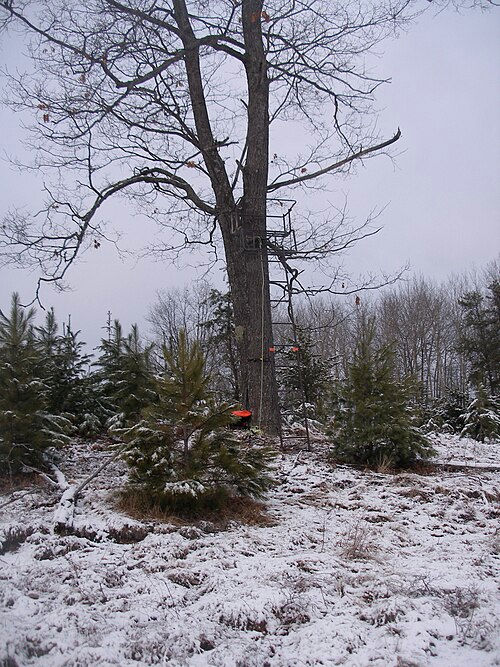
Hang stands and blinds early, so the woods have time to settle down before the season.
Use a full-body safety harness whenever you're in a tree stand, and check straps and ladder sections for wear every year.
Run a trail camera or two to learn where deer cross your land or the land around it.
Plan where you'll hang and process a deer. A sturdy tree limb or a simple gambrel and a cooler with ice will get you home in good shape on a warm day.
Read the current rules. The DNR's deer hunting regulations change from year to year, so look them over before you go.
A Simple Deer Camp Checklist
Here's the short list we'd tape to the camper door:
Licenses bought ahead of time
Blaze orange, rain gear and extra dry socks
Carbon monoxide detector with fresh batteries
Sleeping bags rated for cold, plus pads and pillows
Power station or battery, charging cables and a generator for outside use
Water jugs, a camp stove, fuel and a cooler
Headlamps, a lantern and spare batteries
Folding saw, axe, shovel and a tarp
First-aid kit and a fire extinguisher
Rope, a gambrel and game bags
Start Your Own Deer Camp Tradition
Owning a small piece of the north woods means you don't have to fight for a spot every November. You set up camp where you like, leave it the way you like, and come back to it year after year with the same crew.
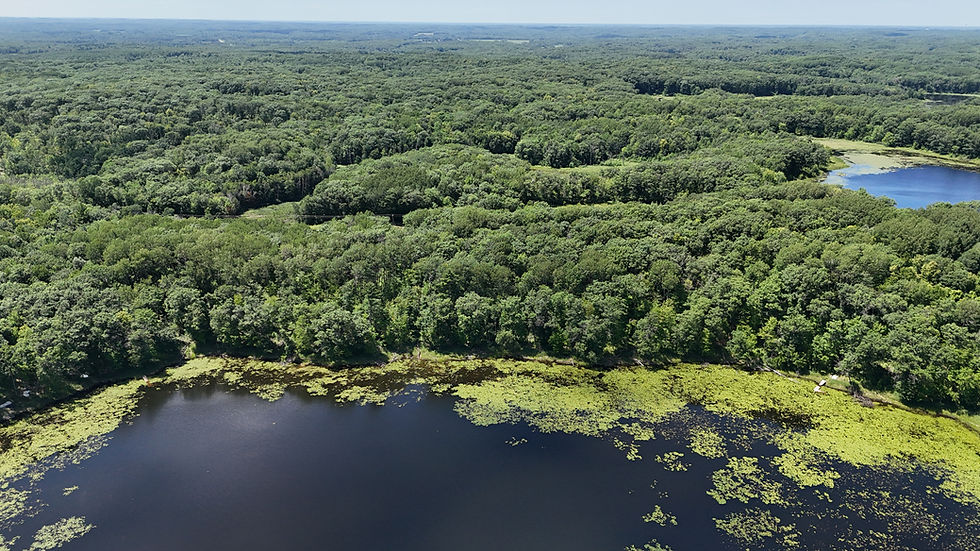
If that sounds good, there are a few parcels we'd look at first. Marshfront Land Great For Camping Or Hunting Stand near Randall sits on a marsh edge, a natural spot for watching wildlife. Off Grid Wooded Land near Cushing is full of mature hardwoods, and Vacant Land For Camping & Building V is a wooded lot with room to set up a camper.
You can see every parcel we have right now on our available land page. Browse the current listings, and if you have questions about camping, access or a specific lot, reach out. We're happy to help you find your deer camp.


Comments